























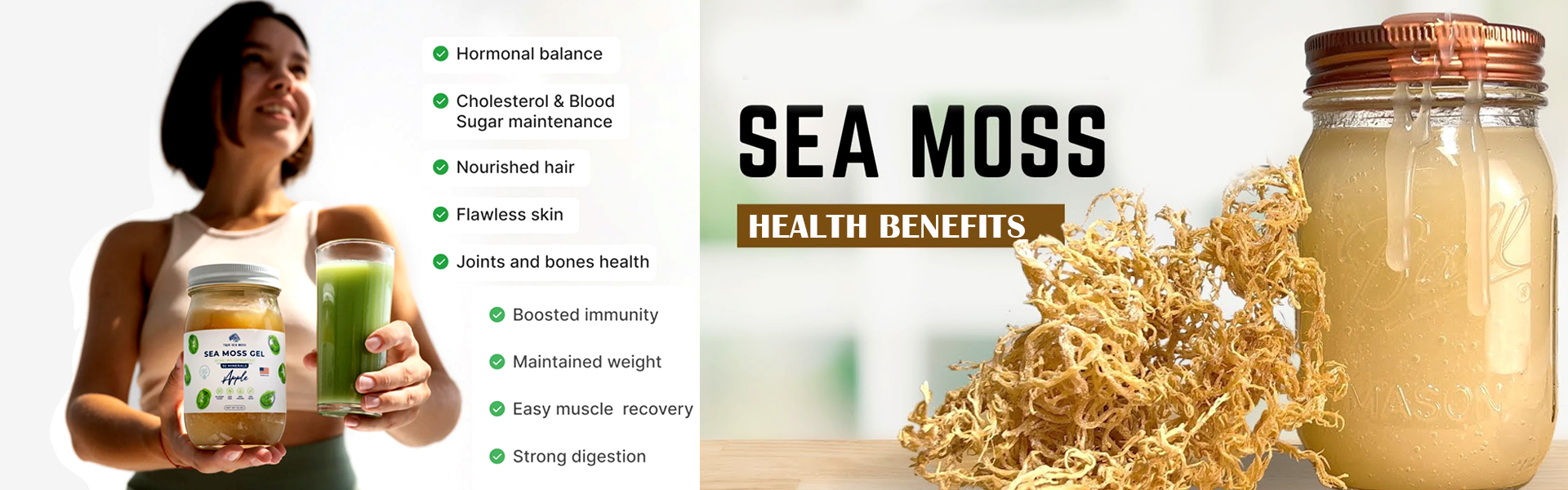
Sea moss Gel Overview
Similar to seaweed, it is a marine vegetable and a natural source of carrageenan, a polysaccharide used in the food industry to thicken dairy products, plant-based milks, and other products. For this reason, sea moss creates a gel when combined with water.
These vital vitamins, all of which have antioxidant qualities, are found in sea moss. Vitamin E is a fat-soluble antioxidant that aids in protecting cell membranes, vitamin C is a potent antioxidant that helps shield cells from oxidative stress, and vitamin A promotes skin health and immunological function.
Jump to any section below:
Various Benefits of Sea moss
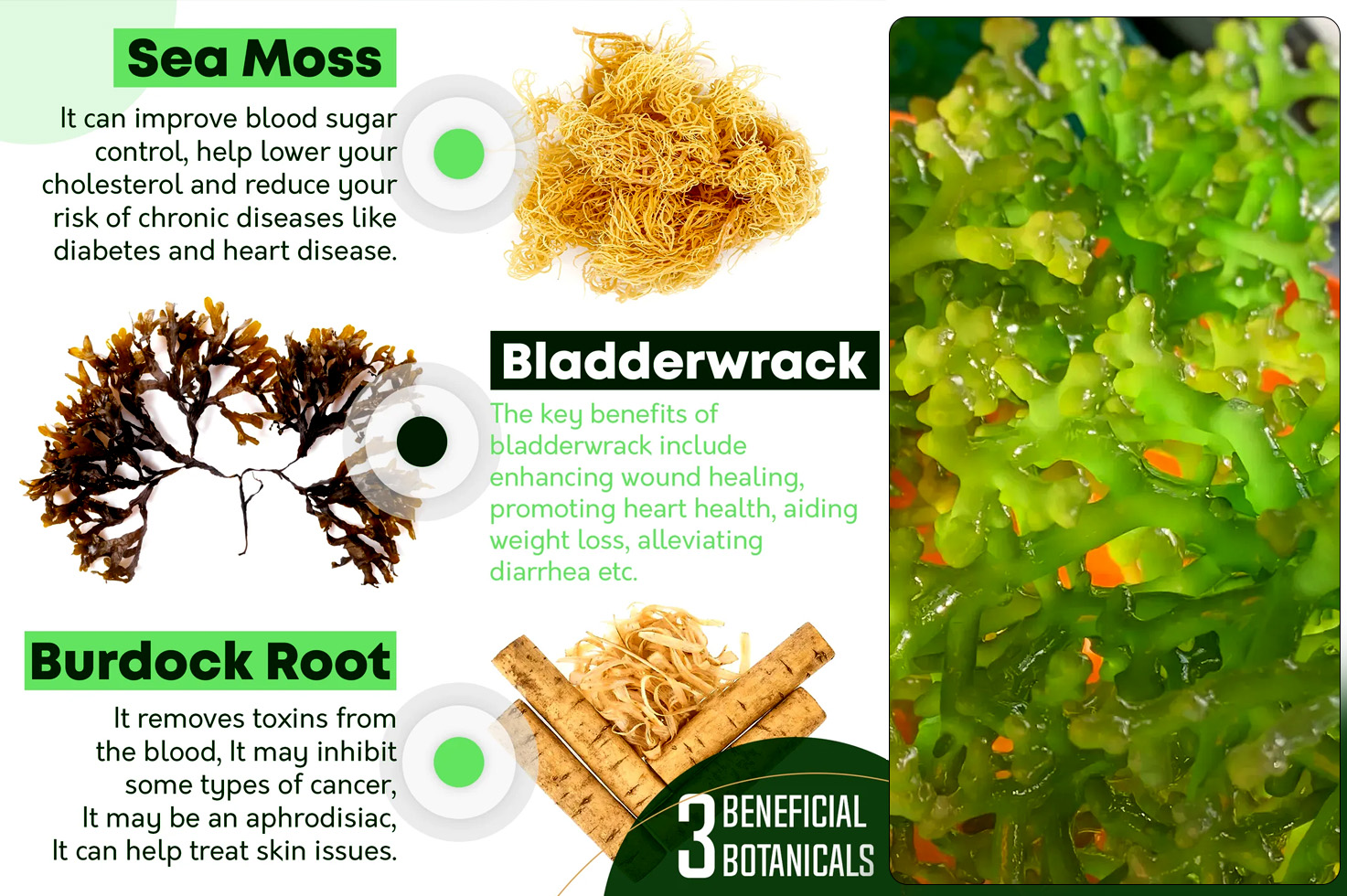
Sea moss benefits for men
Sea moss is frequently regarded as a superfood due to its remarkable array of vitamins and minerals, prebiotics, fiber, and low calorie and carbohydrate content. For many people who want to improve their wellness, it might be helpful. The majority of sea moss's beneficial effects are universal, with a few exceptions for men. Essential minerals including iodine, zinc, and magnesium are found in sea moss, and they may aid men's health by increasing energy, promoting muscle recovery, strengthening the immune system, and promoting thyroid function.
patients incorporate supplements like sea moss into their wellness routines.” Sea moss is a type of red algae that has minerals like magnesium, calcium, and potassium। Men's gut and immune systems may benefit from these। Sea moss eating for men may have six positive health effects।
Here's a more detailed look at the benefits of Sea moss for men
1. Supplementing with nutrients
Irish sea moss, like most seaweeds, is a good source of vitamins and minerals. Significant levels of calcium, iron, magnesium, phosphorus, zinc, potassium, vitamin C, and vitamin A are present in a 100-gram serving.
2. Support for testosterone
zinc, which is found in sea moss, helps to maintain healthy testosterone levels and fertility." that there is now insufficient proof of its direct effect, even though it might raise testosterone levels.
A tiny 2021 study involving male albino rats revealed a "substantial" alteration in the animals' testicular function after ingesting Irish sea moss, while further human research is required. The rats in the medicated group also had higher testosterone levels. The authors of the study believed that these modifications would help the rats' sexual activity and fertility. More research is need to examine this effect, though, as findings from animal studies do not necessarily apply to humans.
3. Digestive health
Maintaining gut health is essential because an imbalance or inflammation in the stomach can negatively impact the rest of the body. Sea moss has some fiber and is high in prebiotics, both of which support the gut's healthy operation. As a result, people taking sea moss supplements might have better digestive health and more frequent bowel movements.
4. Heart health
One of the main causes of death for males is heart disease, which typically strikes them ten years before it occurs for women. This implies that it is critical for all men to prioritize heart health in their diet. The potential of seaweeds to alleviate the symptoms of autoimmune, diabetic, cardiovascular, ophthalmic, and arthritic conditions has been investigated. Particularly, sea moss has been shown to improve blood pressure, while red seaweed's fiber supports healthy gastrointestinal functions that may lower cholesterol.
Although further research is required to establish this, the antioxidants in sea moss may potentially aid to promote cardiac health.
5. Support for the thyroid
Thyroid-stimulating hormone (TSH) controls thyroid function, which is influenced by iodine. Thyroid function suffers when a person's diet lacks adequate iodine. A goiter may develop as a result of increased TSH levels caused by insufficient iodine. The swelling of the thyroid caused by the body's attempt to "capture" iodine is known as a goiter. The thyroid gland regulates the amount of iodine in the bloodstream in order to produce thyroid hormones. Iodine is abundant in several sea moss products.
6. Function of the immune system
Because sea moss contains iron, vitamin C, and vitamin A—all of which have been shown to strengthen the immune system—it may help maintain a strong immune system. Some studies have revealed a favorable association between eating sea moss and immune system function, although additional research in humans is needed. Sea moss contains prebiotics that may also boost immunity and general health.
Major Side effects of sea moss
Examining any adverse effects and whether they would be severe enough to cause stopping use is crucial when contemplating a supplement for its alleged health advantages. Although there aren't many known adverse effects of sea moss, it's vital to remember that there isn't much data on how safe it is for humans to eat it.
We are aware that eating too much sea moss can have negative effects on your health. Of all the edible seaweeds, Irish moss has the greatest average iodine content; eating 286 grams of Irish moss daily is equivalent to surpassing the daily upper limit (UL) of iodine. Interestingly, symptoms of iodine insufficiency might be similar to those of high iodine consumption. Among these signs are:
1. A goiter, or swollen thyroid gland
2. inflammation of the thyroid glands
3. Cancer of the thyroid
4. stomach, throat, and mouth burning
5. Fever and pain in the stomach
6. Diarrhea, nausea, and vomiting
7. weak heartbeat
8. Coma
Iodine is found in other foods and supplements, so it's vital to consider your overall iodine intake when determining whether you might be at risk of iodine overuse, even though it might be challenging to consume enough Irish moss to produce any of these negative symptoms.
Sea moss byproduct carrageenan, which is frequently used as a thickening ingredient for low-fat or nonfat meals, does have certain negative side effects. Although carrageenan is generally regarded as safe for human consumption, eating it can trigger an immunological reaction that causes the body to become inflamed. When this happens, it can be a major health issue and is linked to several illnesses, including cancer, rheumatoid arthritis, arteriosclerosis, and intestinal disease. Gastrointestinal symptoms that range from minor bloating to severe inflammatory bowel disease in certain people are side effects of consuming carrageenan. If this worries you, ask your healthcare provider.
The potential presence of heavy metals in seaweeds raises further concerns about eating sea moss. Arsenic, aluminum, cadmium, lead, rubidium, silicon, strontium, and tin are a few examples. Because of their growing conditions and the contamination in their immediate surroundings, edible seaweeds can have a wide range of heavy metal concentrations. Because heavy metals can build up in the body over time, it's crucial to use caution when eating seaweed.
10 Advantages of Sea Moss for Females
Sea moss rich in nutrients has potential benefits for women's health, however safety issues still exist.
A red algae collected from the Atlantic Ocean, sea moss has drawn interest as a possible dietary supplement for women. Sea moss, which is high in vital elements including calcium, zinc, folate, and iodine, may have a number of health advantages. However, when contemplating sea moss supplementation, prudence and medical supervision are crucial due to the paucity of data and possible hazards linked with excessive use.
Important Benefits of Sea Moss for Females/Womens
The red algae known as sea moss (Chondrus crispus) is rich in minerals like calcium, zinc, iodine, and folate.
Thyroid function support, gut health enhancement, and immune support are possible advantages for women.
Sea moss may improve cardiovascular health, skin and hair health, and libido.
Sea moss has a high iodine level, which can be advantageous but dangerous if taken in excess.
Sea moss should be avoided by pregnant women and people taking certain drugs, or used only under a doctor's supervision.
High concentrations of iodine and possibly dangerous heavy metals like arsenic can be found in sea moss supplements.
Supplements are not approved by the US Food & Drug Administration (FDA) prior to being marketed to consumers.
For healthy individuals, consuming 3–4 grams of dried sea moss per day is probably safe, though individual requirements may differ.
Medication for thyroid issues, autoimmune diseases, and inflammatory bowel disease may interact with sea moss.
To ascertain the actual health benefits and ideal dosage of sea moss for women, more research is required.
Sea moss side effects
Despite its possible health advantages, sea moss has several dangers and adverse consequences. First and foremost, goiter and possibly thyroid cancer can result from consuming too much iodine from sea moss. Furthermore, heavy metal accumulation in sea moss may result in toxicity. Additionally probable are allergic reactions and unpleasant stomach, particularly after consuming big amounts.
Possible Adverse Reactions to Sea Moss:
Toxicity of Iodine:
Because sea moss has a high iodine content, eating a lot of it might result in an excessive iodine consumption, which can cause goiter, hypothyroidism, hyperthyroidism, and even thyroid cancer. Fever, nausea, vomiting, diarrhea, and a burning feeling in the mouth, throat, and stomach are all signs of iodine poisoning.
Heavy Metal Contamination:
Similar to other seaweeds, sea moss can take up heavy metals from the water it grows in, including lead, mercury, and arsenic. Kidney and immune system difficulties are among the health problems that might result from consuming these metals.
Allergic Reactions:
Skin rashes, breathing problems, and other symptoms are possible for some people who are allergic to sea moss.
Digestive Problems:
Overconsumption can cause unsettled stomach symptoms, such as diarrhea, vomiting, and nausea.
Drug Interactions:
Some drugs, especially those for thyroid disorders and blood thinners, may interact with sea moss.
Additional Possible Adverse Effects:
Other possible adverse effects that need more research include high blood pressure, dietary shortages, and hormonal imbalances.
Crucial Points to Remember:
Dosage: Although studies indicate that taking up to 4 grams (0.14 ounces) of sea moss per day is typically safe, there is no official recommended dosage.
Source: To guarantee low contamination, it's critical to select sea moss from reliable suppliers that go through independent testing.
Individual Sensitivity: Before ingesting sea moss, anyone with thyroid issues, iodine sensitivity, or shellfish allergies should exercise caution and speak with a healthcare provider.
Pregnancy and Breastfeeding: Because there is insufficient data on certain populations and the possibility of heavy metal contamination, pregnant and lactating women should refrain from consuming sea moss.
Does sea moss help sexually
Sea moss's rich nutrient profile, which includes zinc and iodine, may have some benefits for sexual health, especially for men. While iodine improves thyroid function, which can affect libido, zinc can enhance male sexual health by helping maintain appropriate testosterone levels and possibly boosting sperm quality.
A closer view is provided here:
Possible Advantages: Elevated Libido Zinc, which is found in sea moss, is involved in the synthesis and control of hormones and may have an impact on libido.
Better Sperm Quality: Zinc may contribute to better sperm quality, which may increase fertility.
Thyroid Function Support: Iodine, which is abundant in sea moss, is essential for thyroid function. Improving thyroid health may be helpful because sexual dysfunction can occasionally be caused by thyroid issues.
General Well-Being: Sea moss is rich in nutrients, and general health has a favorable effect on sexual health.